
Posted on: August 22, 2025, 07:21h.
Last up to date on: August 14, 2025, 11:31h.
EDITOR’S NOTE: A brand new “Vegas Myths Busted” publishes each Monday, with a bonus Flashback Friday version. Today’s version initially ran on July 9, 2024.
Las Vegas is the second driest metropolis within the US after Yuma, Ariz., based on the National Oceanic and Atmospheric Administration, with a mean rainfall of simply 5.37 inches a yr. So why on Earth was a giant metropolis inbuilt such a waterless hellscape?
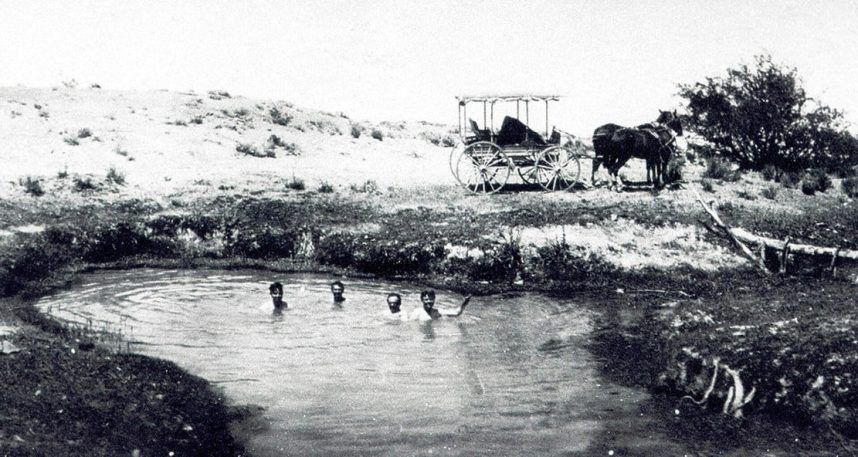
Because it wasn’t.
While rain barely falls on Las Vegas, it falls loads within the mountains surrounding it. For greater than 15,000 years, runoff from snowmelt and downpours at increased altitudes fed springs and streams that broke by means of the desert flooring and flowed freely (and, throughout storms, uncontrollably) by means of Las Vegas.
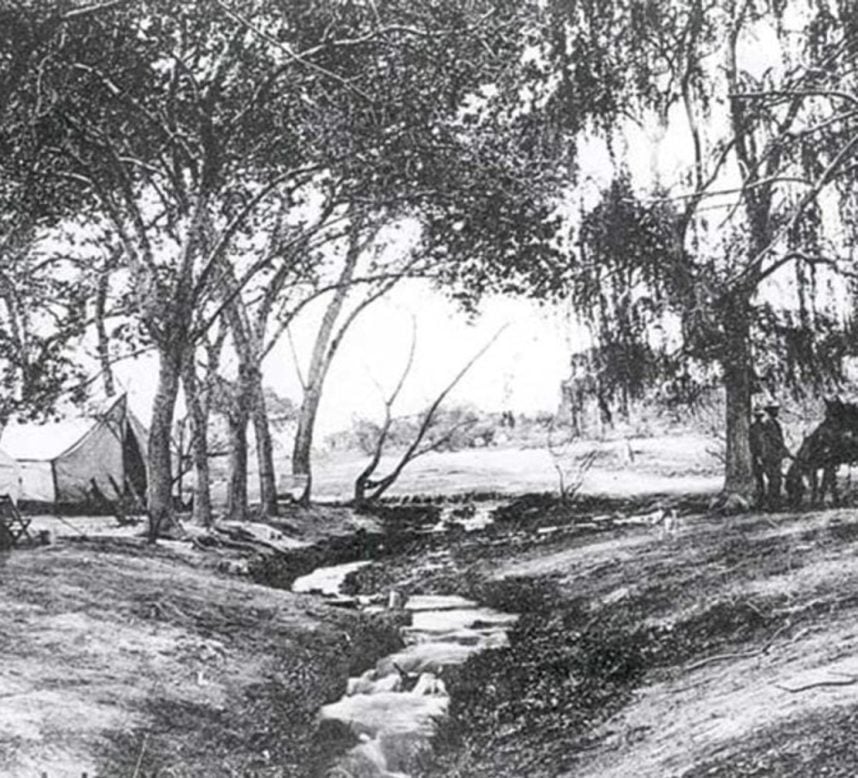
Rather than a harsh desert, the area was really an oasis inside a harsh desert when it was based in 1905. (“Las Vegas” is Spanish for “The Meadows.”)
Today, its underground aquifers are drained practically dry and the mountain runoff is funneled into concrete flood channels that ship it on to Lake Mead. But once they had been allowed to (and will) movement naturally, the primary waterways — Las Vegas Creek, Duck Creek, and what’s identified at the moment because the Flamingo Wash — offered ample water to drink and bathe with, in addition to to maintain lush grass and thickets of mesquite and willow timber that supported their very own various array of nondesert wildlife.
This water supply allowed Native Americans to outlive and thrive right here for at the very least 5,000 years. Then it made Las Vegas a significant cease on the Old Spanish Trail between Santa Fe and Los Angeles.
In reality, it was whereas mapping that path in 1829 that Raphael Rivera, a scout for the primary Mexican expedition by means of Southern Nevada, bestowed upon the area its Spanish identify.
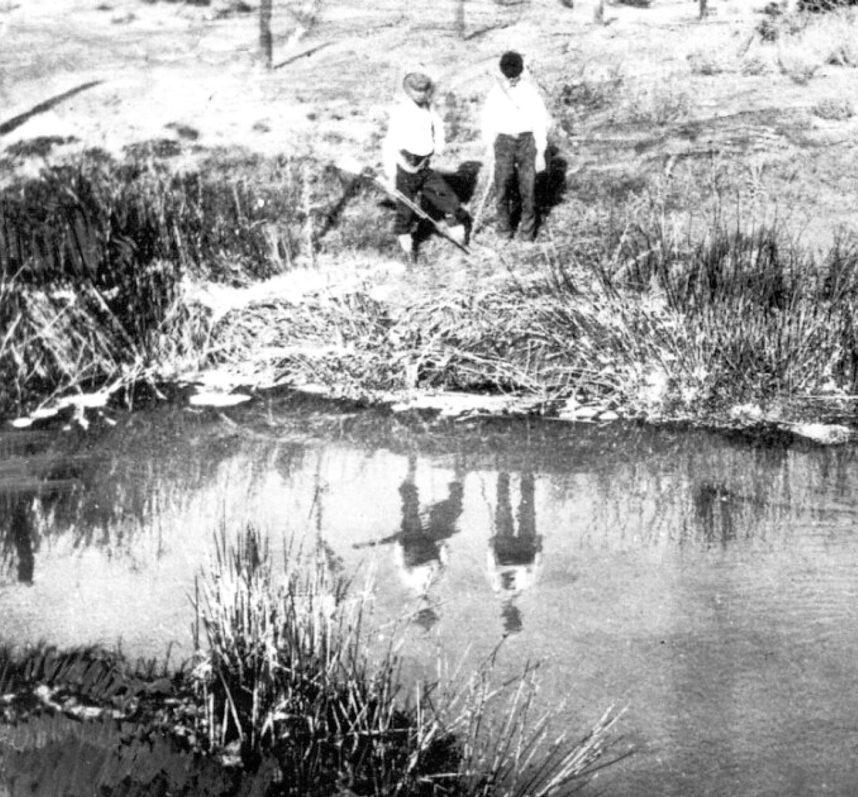
Related Bonus Myth
The first everlasting European settlement in Las Vegas wasn’t deserted due to an absence of water. A mix of things induced 32 Mormon missionaries to ditch the Old Mormon Fort two years after they constructed it on the Las Vegas Creek in 1855.
These elements included disappointing mining and crop yields, dissension among the many leaders, deteriorating relations with the Native Americans they tried changing to Mormonism, and the start of what the Mormons confer with because the Utah War towards the US authorities, which they returned residence to assist battle.
Troubled Water
In 1902, Las Vegas pioneer Helen J. Stewart bought most of her ranch on Las Vegas Creek, and its water rights, to Montana Sen. William A. Clark and his San Pedro, Los Angeles & Salt Lake Railroad. This allowed the railroad to construct a system that pumped operating water from the creek on to the 1,200 enterprise and residential heaps it bought in what ultimately turned downtown Las Vegas.
Five years later, the brand new metropolis’s residents started drilling wells into the aquifer for additional water. Often, these wells weren’t capped, permitting copious quantities of the dear useful resource to gush aboveground the place most of it evaporated. People didn’t perceive the place the water got here from, and the power with which it gushed gave them the misunderstanding that its provide was countless.
By the summer season of 1935, a lot extra of its water was pumped out than had been naturally replenished, Las Vegas Creek dried up for the primary time. This prompted Nevada State Engineer Alfred Merritt Smith to declare Las Vegas dangerously overdrawn.
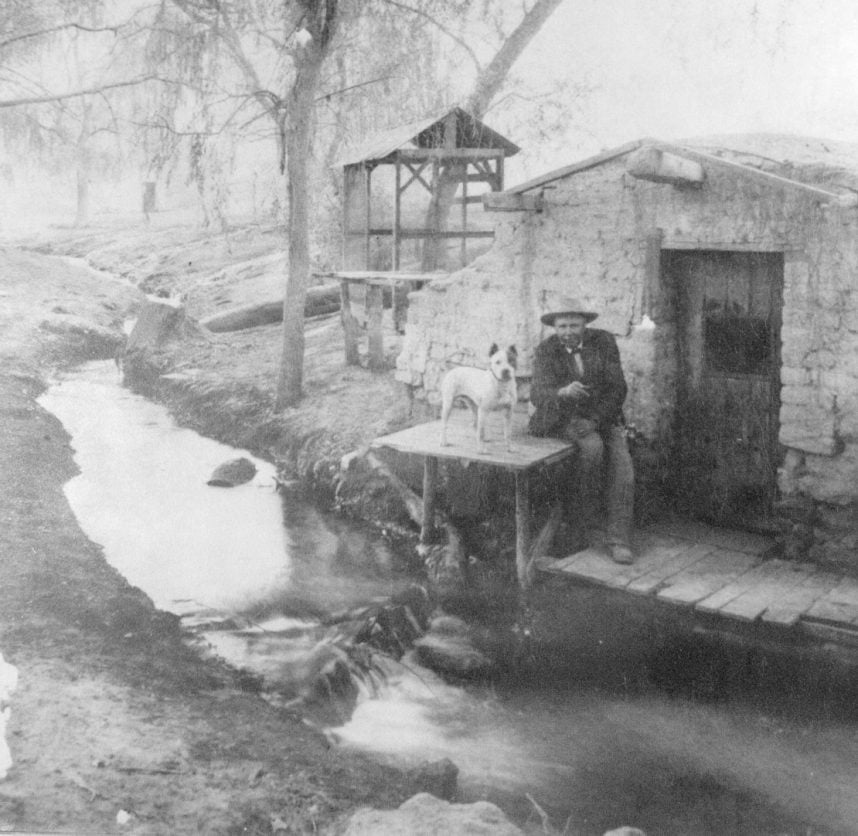
Smith proposed metering water utilization, however the Nevada State Legislature opposed all such anti-development loopy speak.
By 1962, the water desk lastly sank so low, the Las Vegas Springs stopped flowing to the floor fully. This killed many of the vegetation its springs and streams had sustained, in addition to a number of distinct species of frogs and fish.
By 1972, the final remnant of Las Vegas Creek was doomed to be paved over for a brand new expressway. This remnant nonetheless quenched a inexperienced however slowly dying half-mile swath of vegetation simply west of downtown and adjoining to the Meadows Mall. (Get the identify? Most folks don’t as a result of there aren’t many meadows left in Las Vegas.)
By this time, Las Vegas was drawing most of its water from the Colorado River, by way of pipes poked into a totally full Lake Mead, so no loud alarm bells sounded.Preserve)
Until UNLV archeology professor Claude Warren performed a survey that discovered proof of human occupation on the positioning relationship again 1000’s of years.
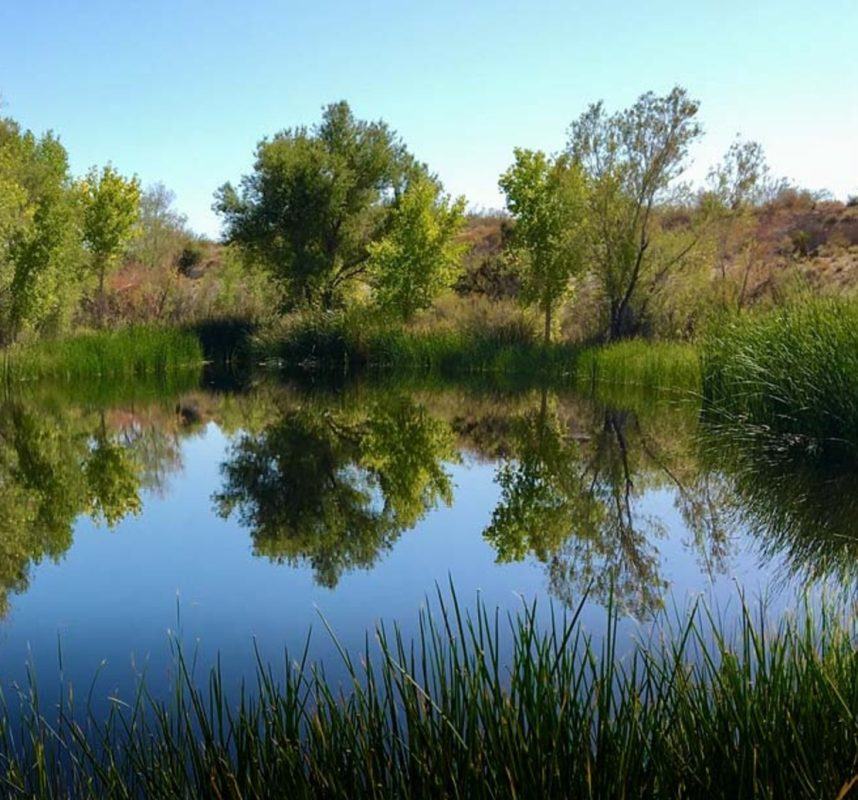
The Las Vegas Valley Water District, with the assistance of involved residents, used this shock to get the Las Vegas Springs added to the National Register of Historic Places in 1978. And that’s what compelled the Nevada Department of Transportation to divert US 95 across the 180-acre website.
To defend, and try to revive, what little stays of the Las Vegas Springs, the Las Vegas Springs Preserve was established on the positioning in 2007.
To date, based on the group’s web site, it has restored seven acres of wetlands, together with a stream and 14 habitat ponds.
That could also be a drop within the bucket, however it beats doing nothing in any respect.
Look for “Vegas Myths Busted” each Monday on Casino.org. Visit VegasMythsBusted.com to learn beforehand busted Vegas myths. Got a suggestion for a Vegas fantasy that wants busting? Email corey@on line casino.org.